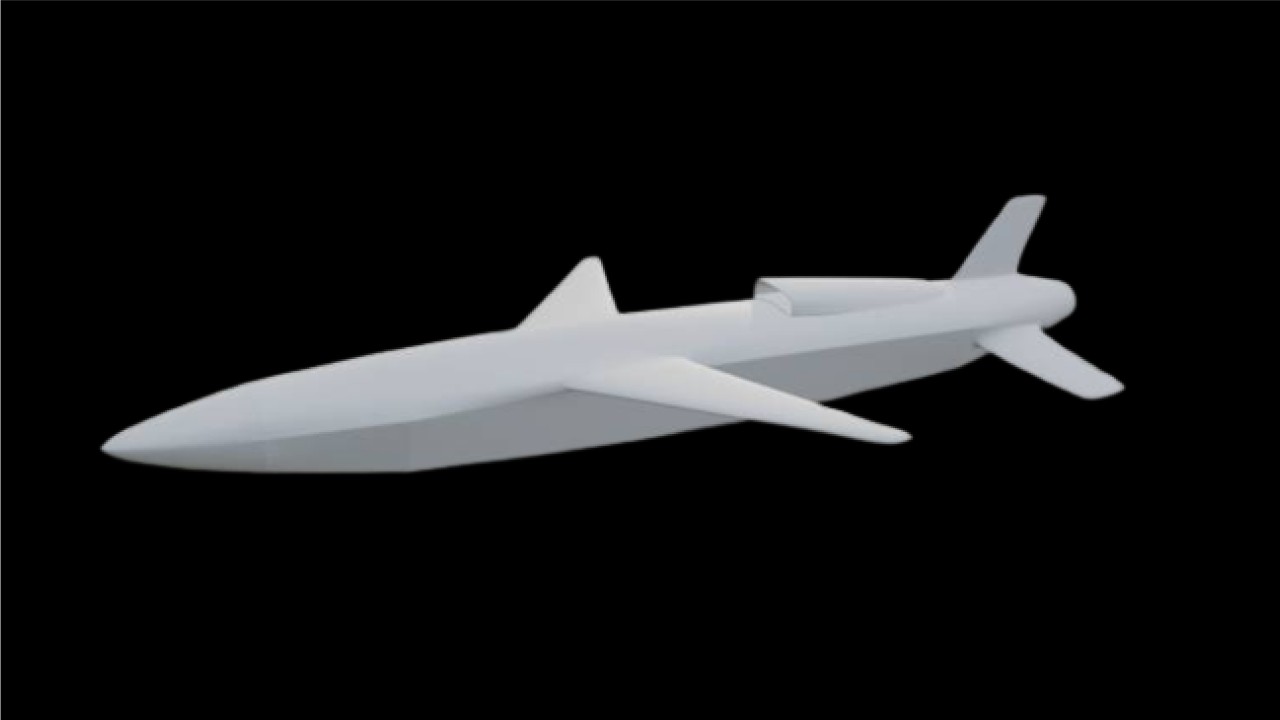
The Defence Intelligence of Ukraine has published an interactive 3D model, components, and electronic component base of the new Filin cruise missile on the War&Sanctions portal. russia began using the missile in combat in late summer this year.
The enemy continues to expand its range of weapons used in the war against Ukraine. The new Filin cruise missile, developed by JSC NPO Molniya, which is part of the Tactical Missiles Corporation, continues the trend within russia’s defence industry of developing low-cost, jet-powered, ground-launched air attack weapons.
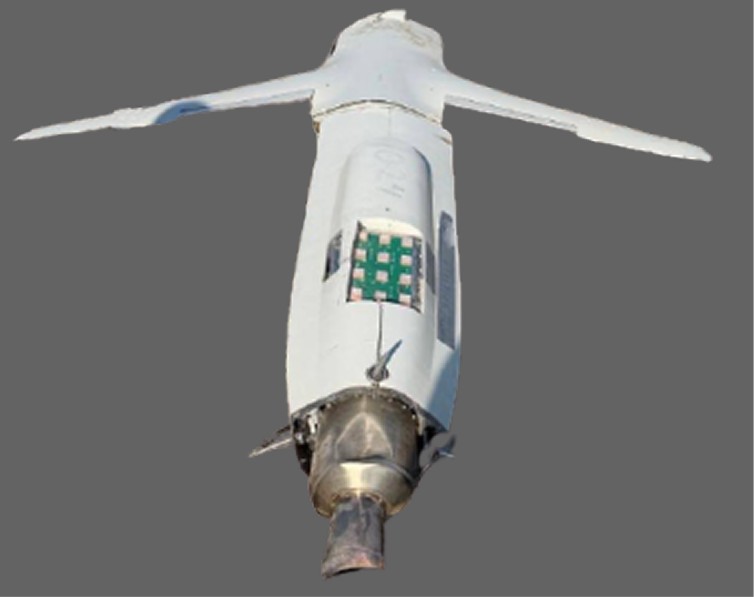
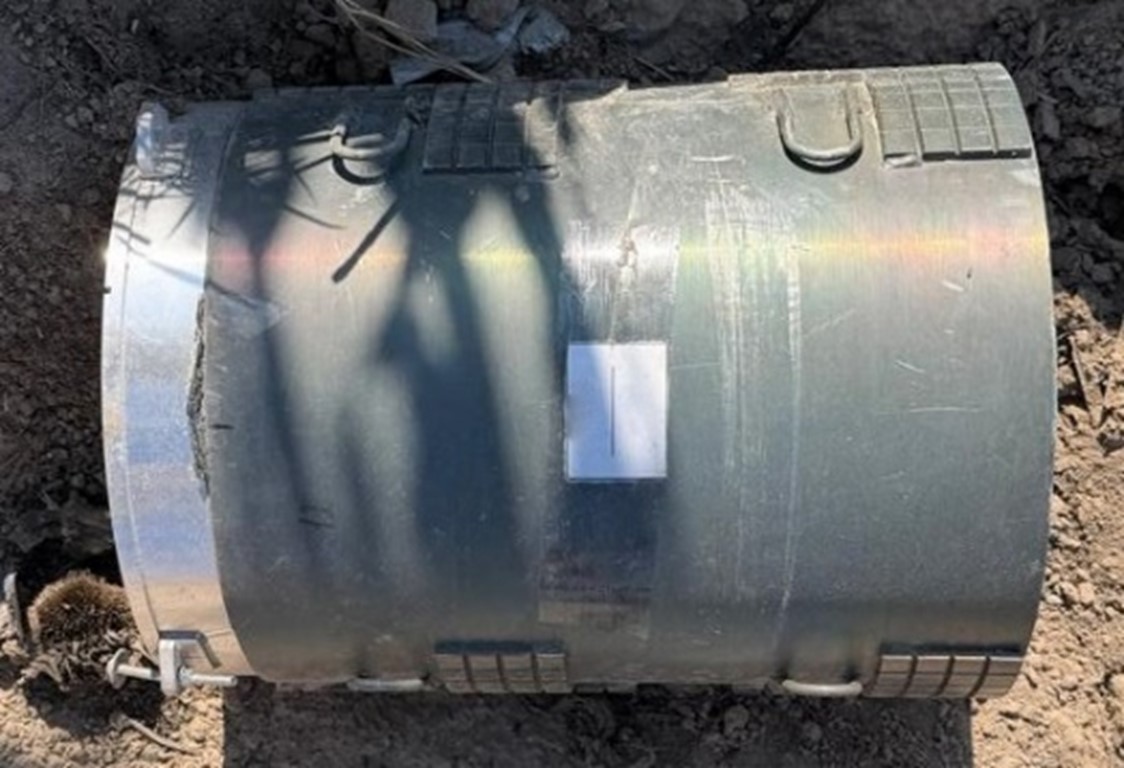
The Filin features a composite fuselage made of carbon fibre and fibreglass, measuring 3.5 metres in length, with a wingspan of 3 metres. Some missile components are manufactured using 3D-printing technology. The maximum speed claimed by the enemy is 800 km/h, with a range of up to 1,200 km. The missile can fly at extremely low altitudes or at altitudes of up to 6 km. Versions equipped with 50 kg and 100 kg warheads have been identified.
The missile is launched from a ground-based launcher using a solid-propellant booster.
The onboard equipment is manufactured by PLAZ LLC, which is also involved in producing Harpiya UAVs — a modification of the Geran-2, including the K, KB, KC and other series manufactured by JSC Izhevsk Electromechanical Plant Kupol. The Filin and Harpiya units have similar layouts and markings. The missile’s guidance relies on a Chinese-made inertial navigation system and a 16-channel Kometa satellite navigation receiver.
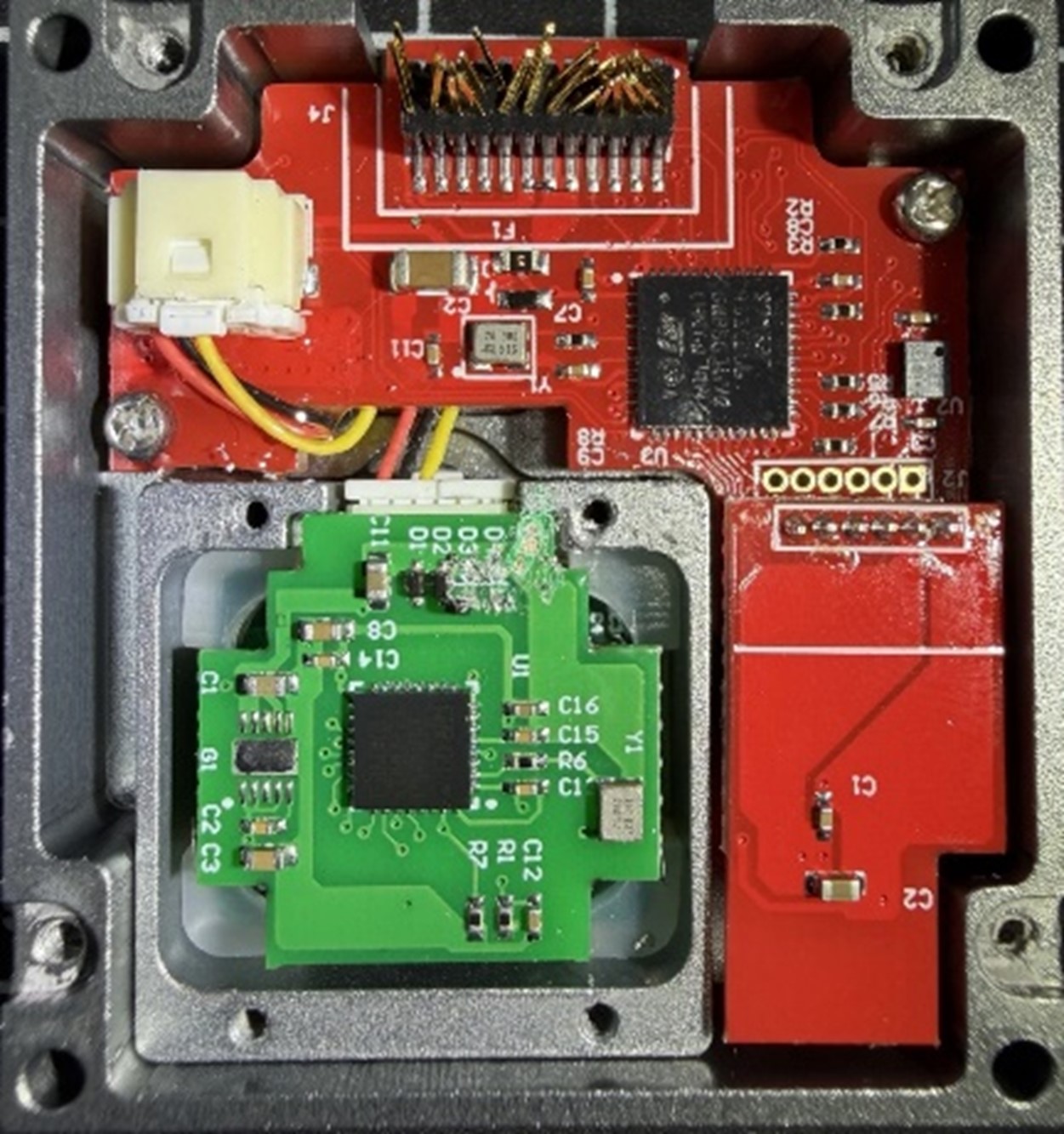
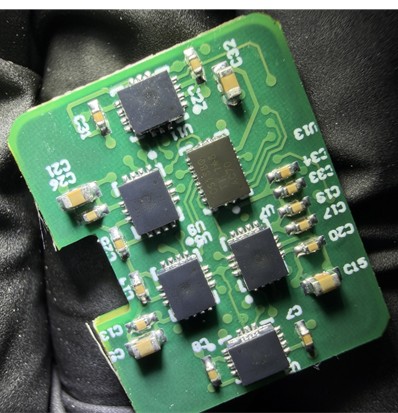
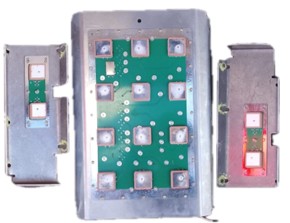
The electronic components used in the onboard equipment are similar to those found in other russian missiles and UAVs. However, the Filin stands out for its increased share of Chinese components (22, compared with 35 American components) and the standardisation of design solutions across different units and circuit boards.
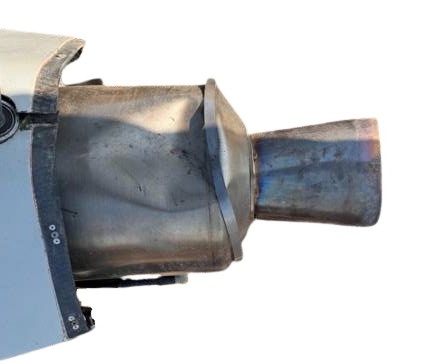
The Filin’s engine, however, is russian-made: the R500, manufactured by Reynolds LLC. The same engine has previously been identified in the S-71K Kover and S-71M Monokhrom air-launched cruise missiles, among others.
DIU continues its systematic efforts to investigate the enemy’s new weapons developments.