The Defence Intelligence of Ukraine, in the Weapons Components section of the War & Sanctions portal, has published a detailed breakdown of the design, components, and production cooperation of the russian Geran-2 UAV, “Э” series, equipped with an R-60 air-to-air missile.
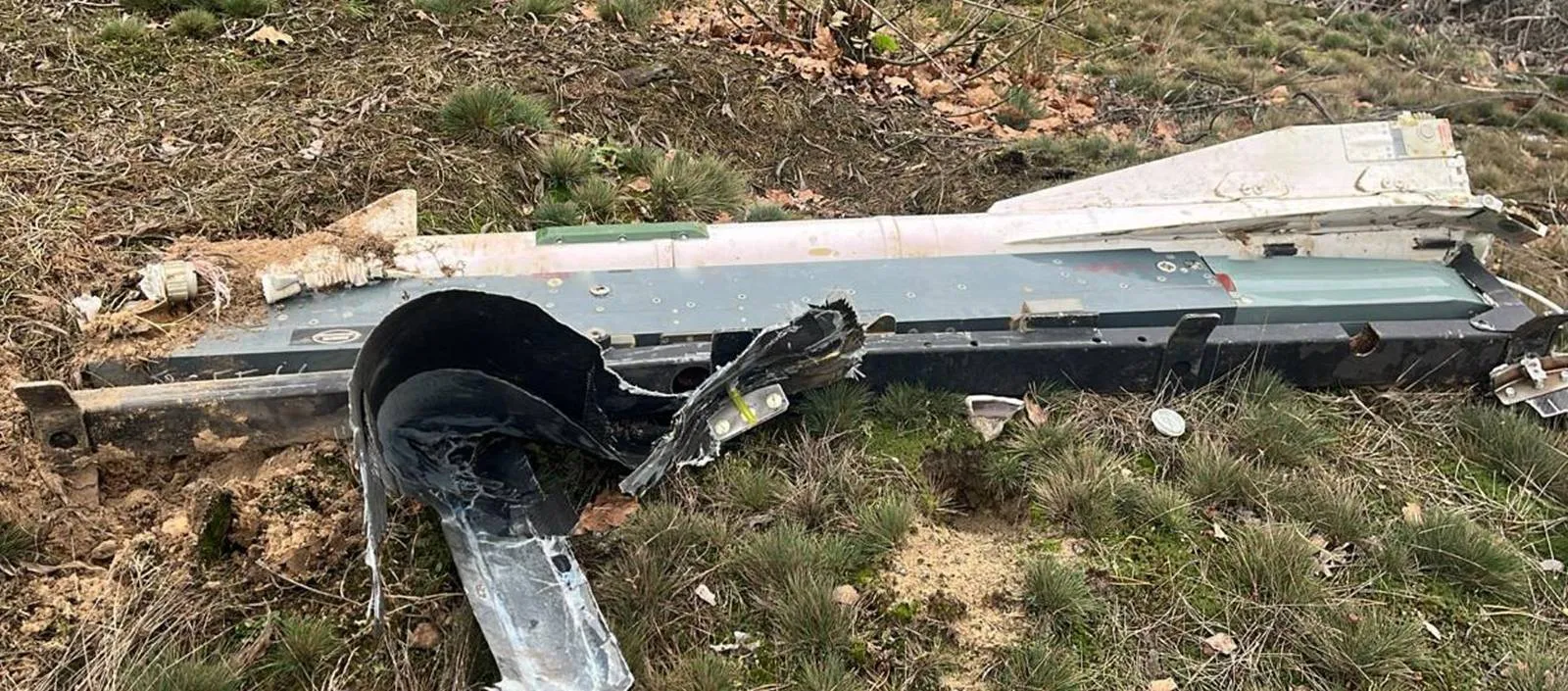
The aggressor state has adapted an outdated Soviet-era R-60 air-to-air missile for installation on Geran drones. The purpose of this modification is to target Ukrainian helicopters and aircraft engaged in intercepting russian unmanned aerial vehicles.
The missile, mounted on an APU-60-1MD (P-62-1MD) aircraft launcher, is installed on a specially designed bracket located in the upper forward section of the Geran’s fuselage.
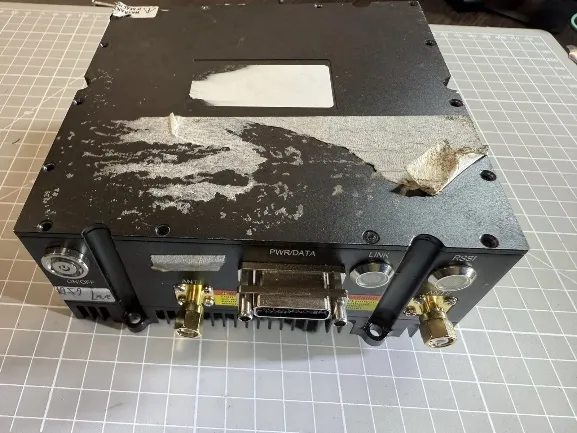
The UAV is fitted with two network cameras—one in the nose section and another positioned behind the missile launcher. Video transmission and control commands are relayed via a Chinese mesh modem, the Xingkay Tech XK-F358.

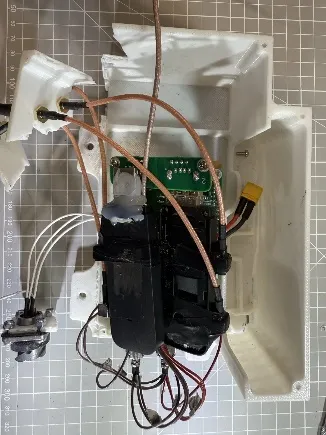
The flight controller, navigation, and inertial units remain standard for other Geran variants. For satellite navigation under intense electronic warfare conditions, the drone uses a 12-channel, jamming-resistant “Kometa” module.
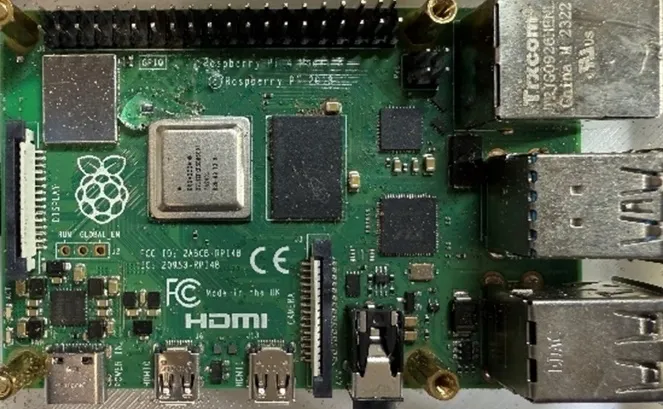
The onboard electronics also include a Raspberry Pi 4 single-board microcomputer (United Kingdom), a tracker, and two GSM modems for telemetry transmission.
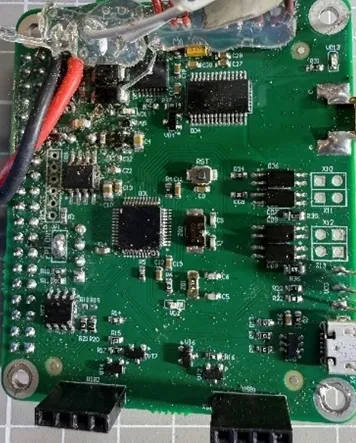
The countries of origin for the electronic component base remain typical for russian UAVs of this type and include the United States, China, Switzerland, Taiwan, Japan, Germany, and the United Kingdom. A complete list of components, including markings and photographs, is available on the portal.
The likely employment concept involves transmitting live imagery from the drone’s cameras to an operator via the mesh modem. If a Ukrainian aircraft or helicopter enters the engagement zone, the operator sends a launch command to the missile’s control unit. After launch, the R-60’s infrared homing seeker autonomously locks onto the target. Another possible scenario involves pre-lock by the seeker, with confirmation transmitted to the operator before launch authorization is granted.
The primary objective of this new modification is to pose a direct threat to the Ukrainian army and its tactical aviation, thereby reducing their effectiveness in intercepting hostile UAVs. As a result, russia’s multipurpose version of the Iranian Shahed-136 has gained an additional combat role. It is likely that the experience gained from this modification will also be shared with Iran.
The Defence Intelligence of Ukraine continues to systematically expose the technological solutions of the aggressor state and the international supply chains that sustain russia’s war machine.