The DIU has published an interactive 3D model and a list of components of the russian reconnaissance drone “knyaz vyeshchiy oleg” in the “Components in Weapons” section of the War&Sanctions portal.
The drone has a wingspan of 2.8 meters and a maximum takeoff weight of 11 kg. According to the enemy's claimed performance characteristics, the UAV has an operating range of up to 45 km, a flight endurance of up to 3.5 hours, a speed of up to 130 km/h, and an altitude of up to 3,000 meters.
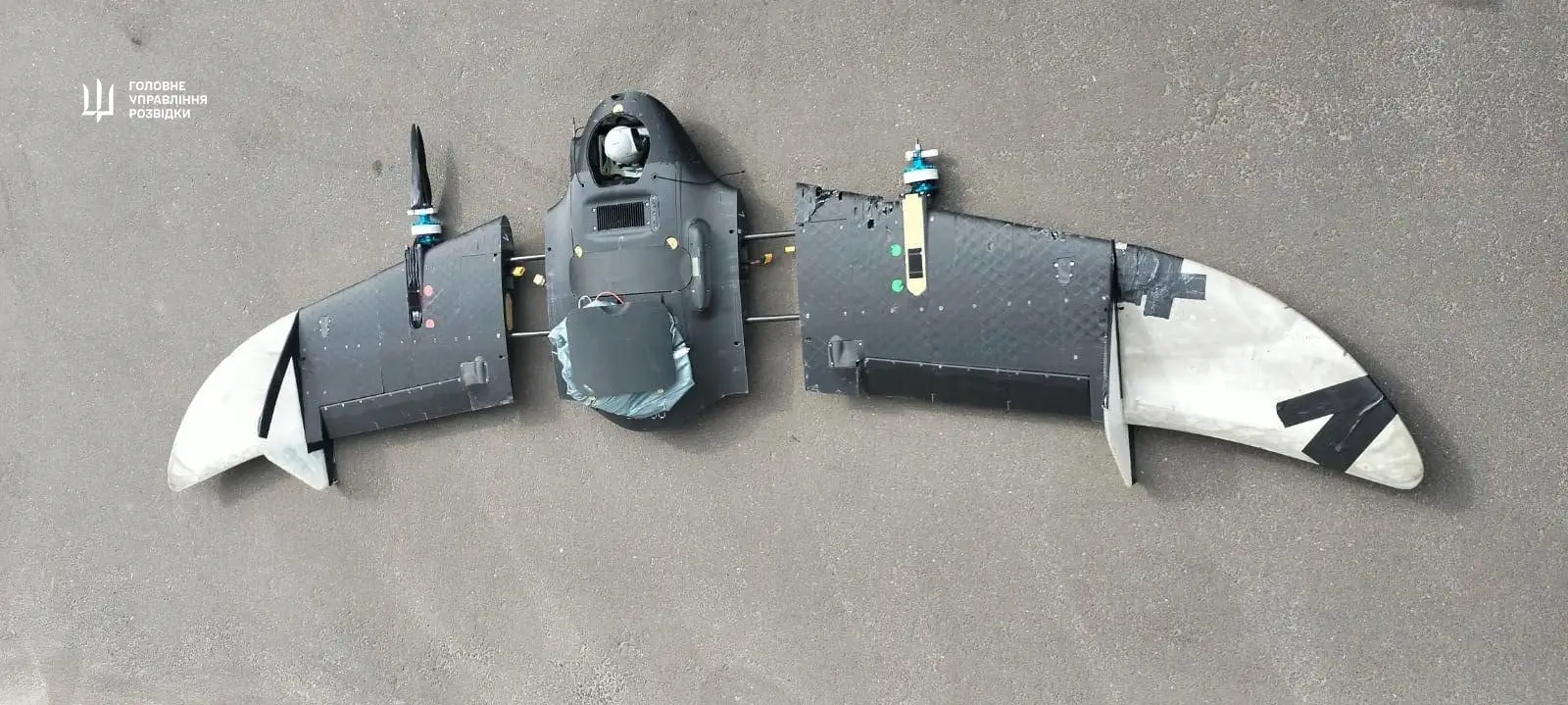
The developer and manufacturer of the “vyeshchiy oleg” is the russian “Scientific and Production Center ‘ushkuynik’,” which is also known for creating the “knyaz vandal novgorodskiy” fiber-optic FPV drones and “osoyed” interceptors.
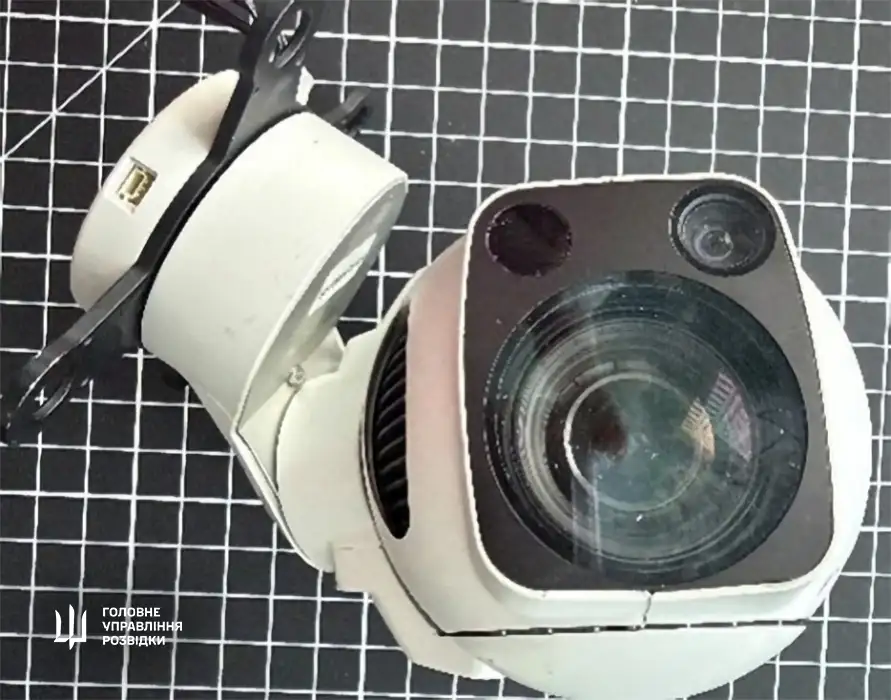
The UAV is equipped with two cameras: a Chinese-made Shenzhen Zhongxi Security IP course camera and a D-80AI (PRC) gyro-stabilized optical system, which includes a three-axis gimbal, a wide-angle FullHD camera, and a 10x optical zoom camera.
The system also features night vision and real-time target detection and AI-powered tracking capabilities.
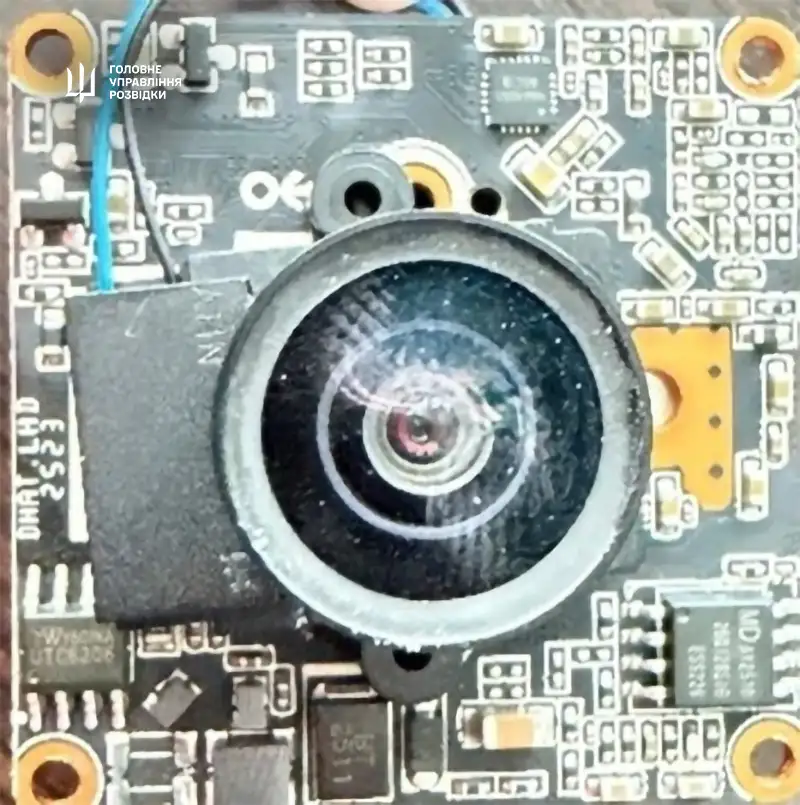
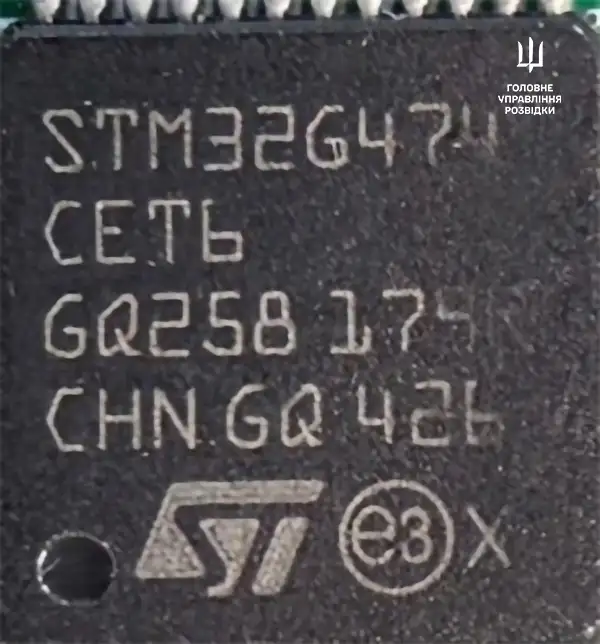
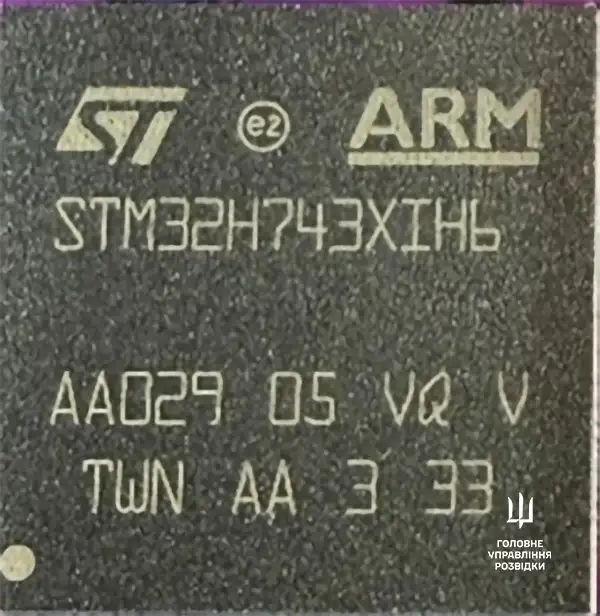
The flight controller is built on microcontrollers from the Swiss brand STMicroelectronics, manufactured in China and Taiwan, as well as components from CUAV Technology (PRC).

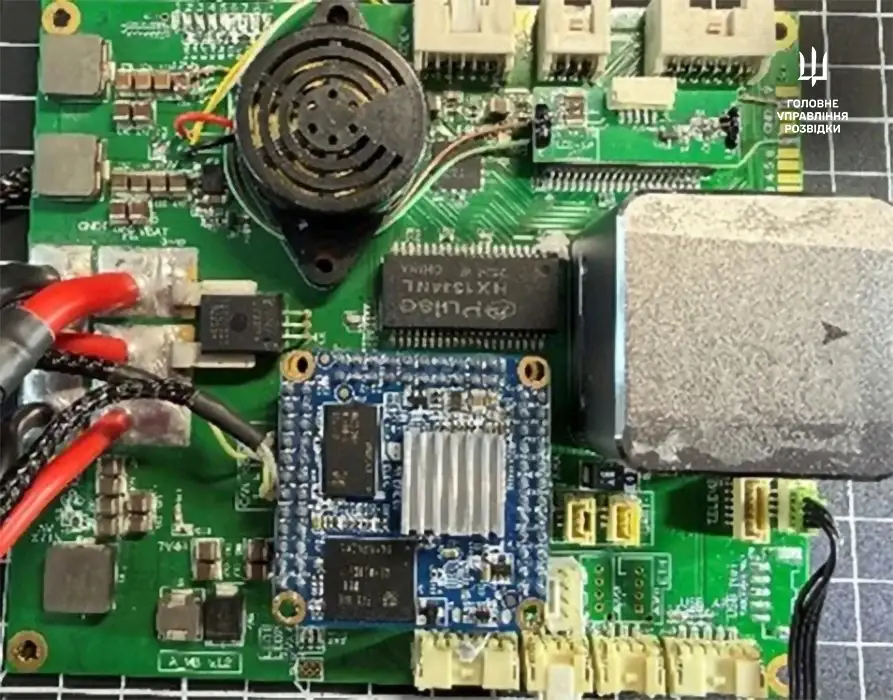
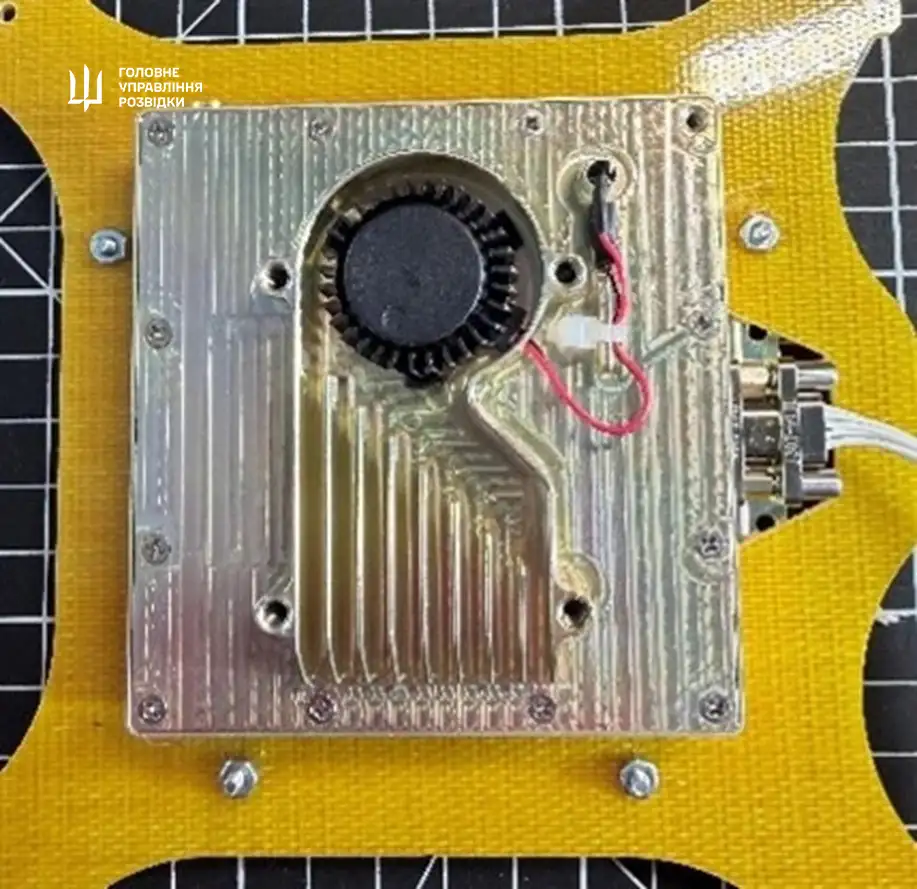
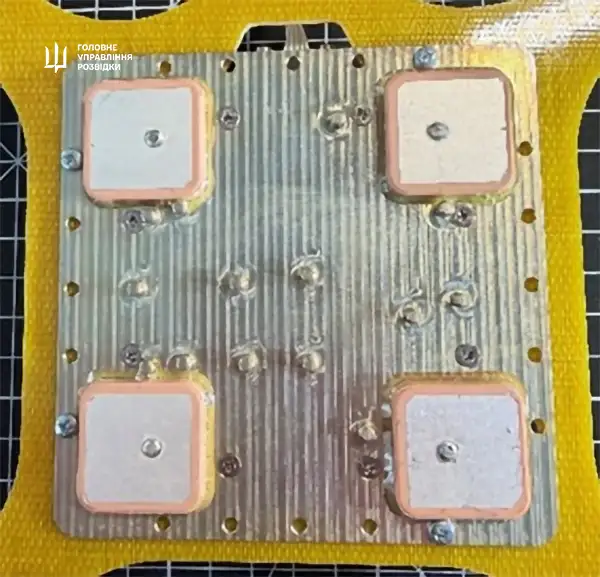
A four-channel CRP antenna is used for navigation in conditions of electronic warfare (EW) countermeasures.
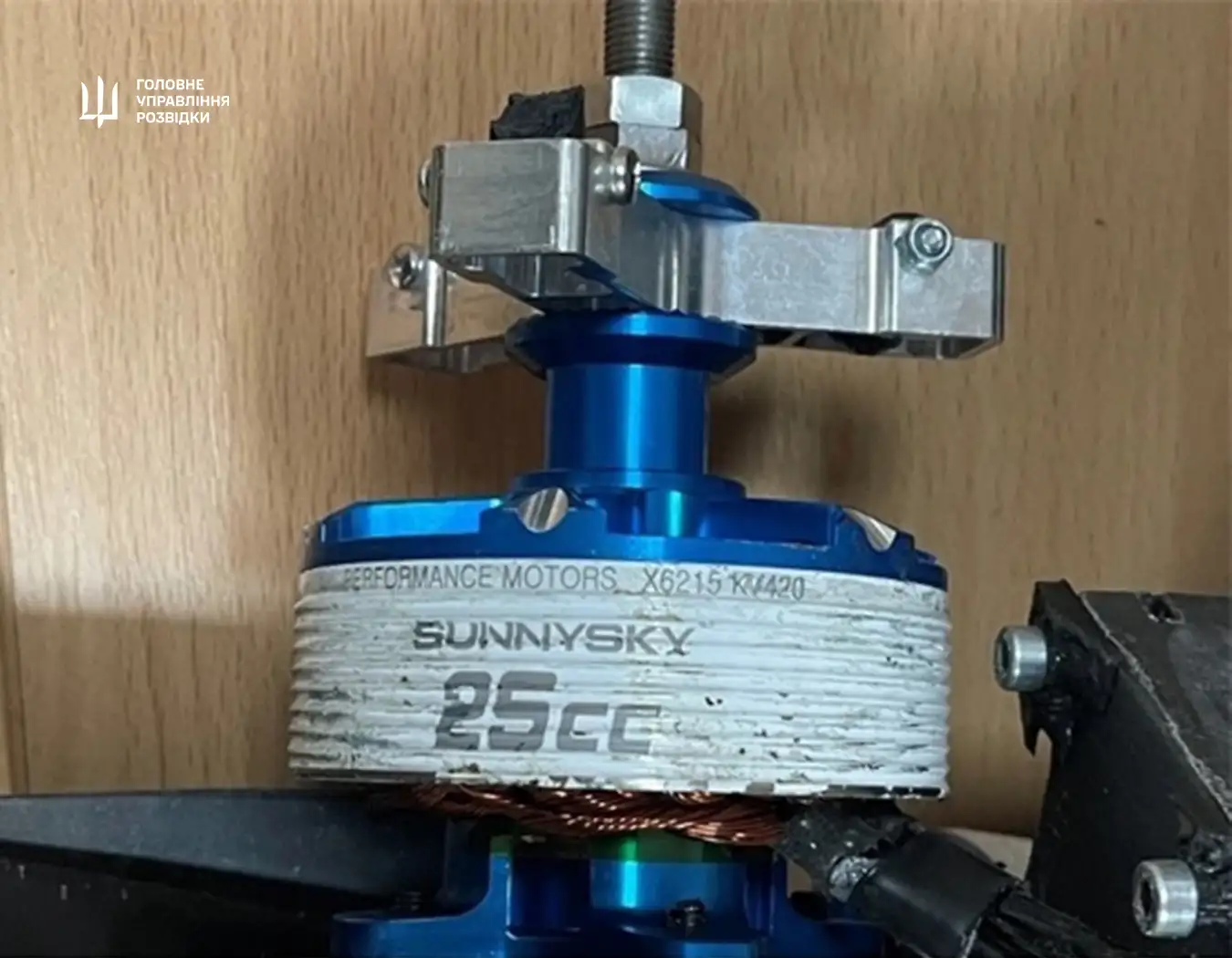
The drone's propulsion is provided by two Chinese-made SunnySky electric motors mounted on the wing consoles.
Despite its involvement in manufacturing weapons for the war against Ukraine, receiving state funding, and training russian military personnel, the “ushkuynik” NPC—the developer of the “knyazes”—is currently under sanctions only by Ukraine, the European Union, and Switzerland, remaining overlooked by other countries of the sanctions coalition.
The aggressor state continues to develop its own weapon models while maintaining access to foreign technologies through supply networks and intermediaries.
Such developments could be used not only in the war against Ukraine but also to destabilize the security situation in other regions of the world, particularly by russia's allies — Iran and the DPRK.