As part of its ongoing series of publications on russian ballistic weapons, the Defence Intelligence of Ukraine (DIU) publishes an interactive 3D model and information about the components of the 3M22 Zircon ballistic missile, the companies involved in its production, their key personnel, as well as foreign equipment used by these enterprises.
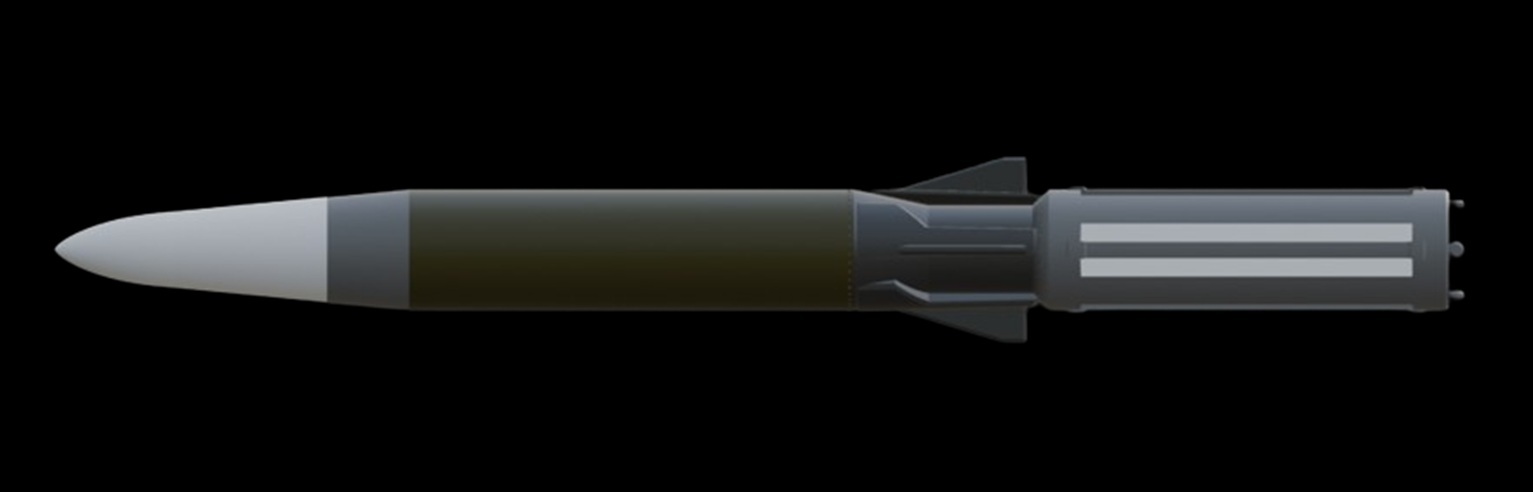
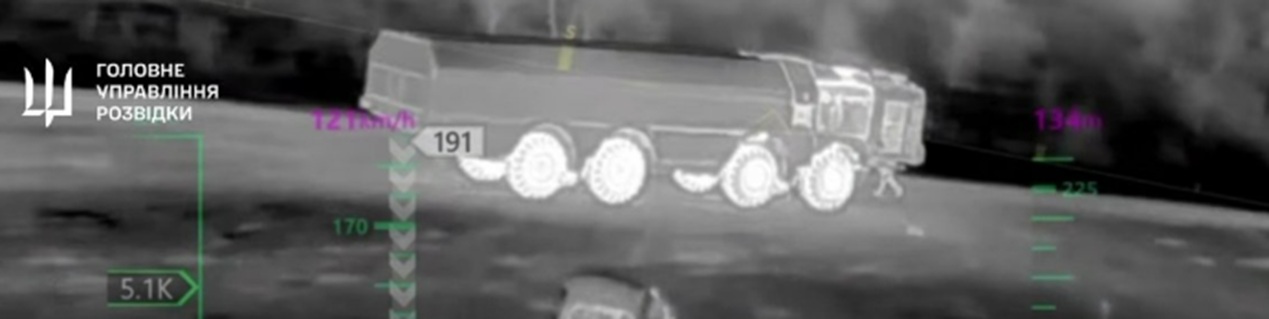
The Zircon was originally developed as a weapon designed to engage naval targets (hence the letter “M” in the missile’s designation), intended for russian nuclear-powered submarines and Project 22350 frigates equipped with the 3S14 universal shipborne firing system. During the russian-Ukrainian war, facing significant difficulties in deploying its fleet in the Black Sea, the enemy was forced to adapt 3M22 missiles for launch from Bastion-M coastal missile systems.
The 3M22’s warhead weighs approximately 120 kg—an extremely low figure for the most expensive missile among all of russia’s strike weapons. For comparison, even the small-class cruise missile “Banderol” carries a 150 kg warhead.
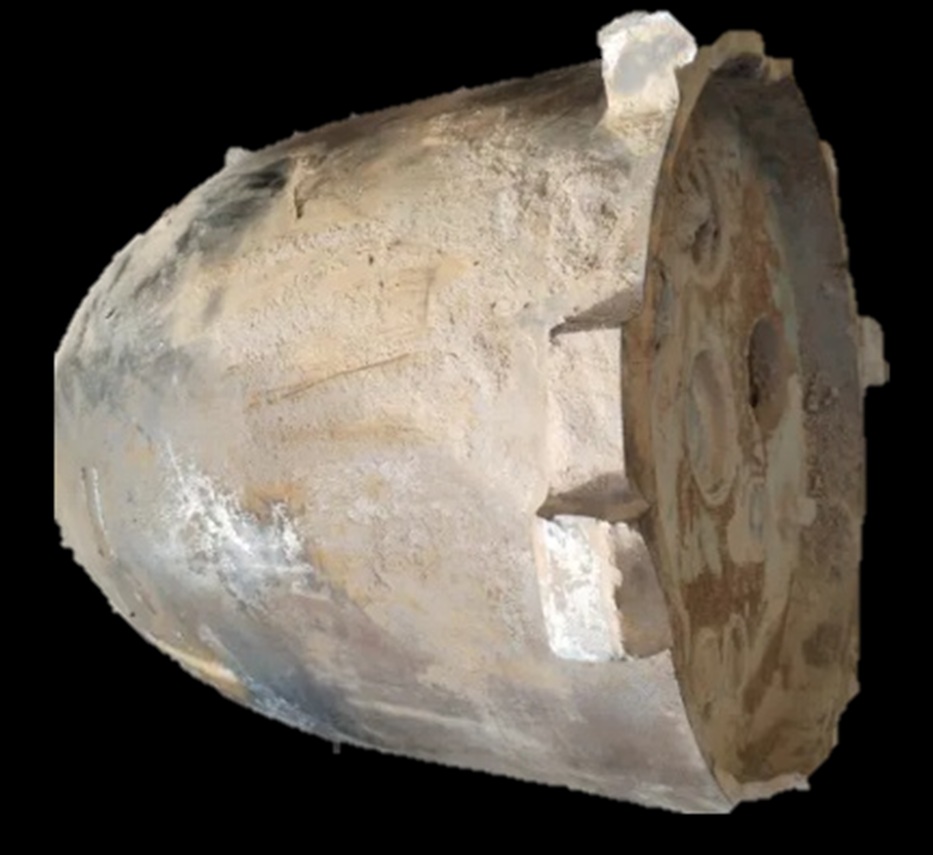
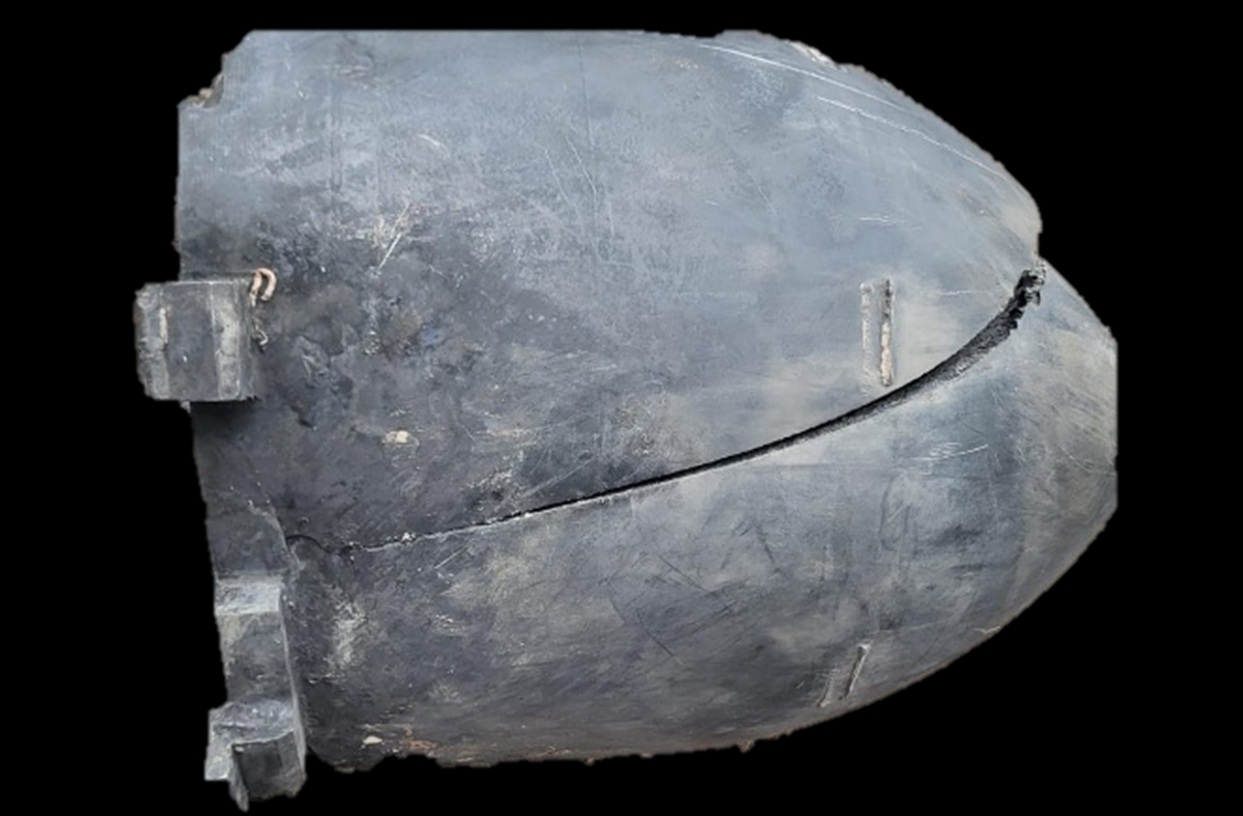
After the missile exits the launch container of a ship or coastal missile system, its booster motor is activated, allowing the missile to gain the altitude and speed required to start the sustainer motor.
After the booster separates, the main sustainer motor is activated. Both the booster and sustainer motors use solid propellant.
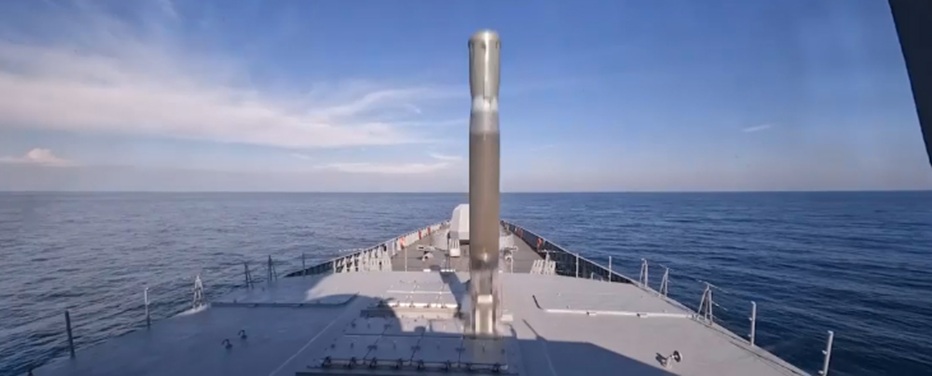
The initial alignment of the missile toward the aiming point is ensured by the engines of the orientation and stabilization system, located on a protective fairing that subsequently separates from the missile.
The enemy claims that at certain stages of flight, the missile can reach speeds of Mach 9. However, the highest recorded speed of the 3M22 does not currently exceed Mach 6.8 and is not maintained throughout the entire flight.
The 3M22 features a combined guidance system: inertial guidance during the cruise phase and an active radar seeker during the terminal phase of flight.
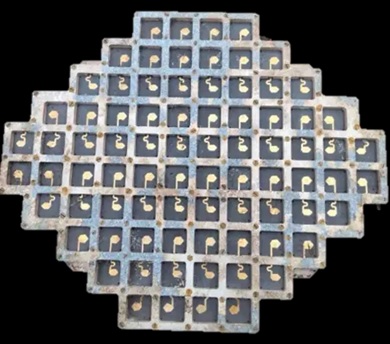
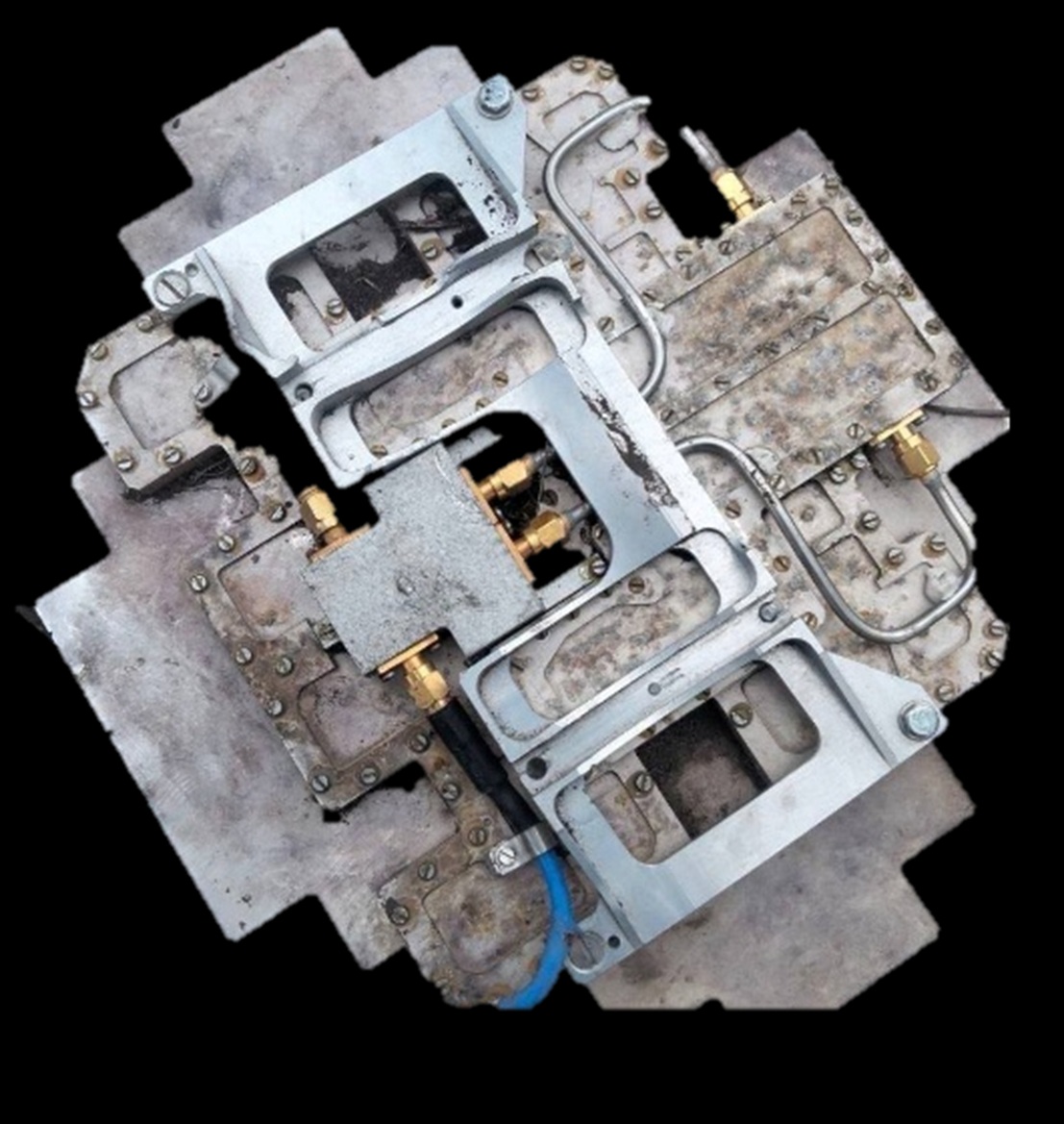
The missile is equipped with the “Baget-83” onboard digital computing complex, typical of russian ballistic missiles.
The missile’s tail section houses electrohydraulic steering actuators and aerodynamic control surfaces, which serve as its primary control mechanisms. In the transport position, the control surfaces remain folded and deploy after the missile exits the launch container. The entire tail section of the 3M22 is made of titanium.
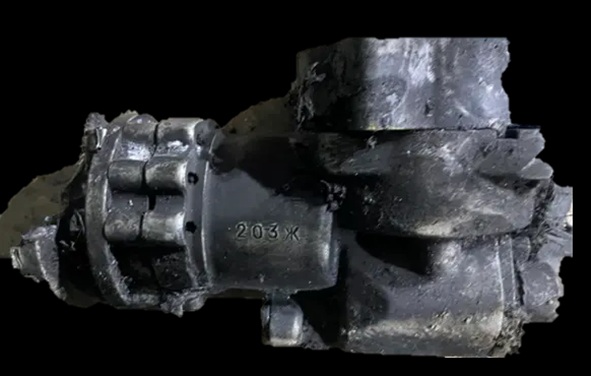
In addition to information on the missile’s design and components, we are publishing data on 70 companies involved in the production of the 3M22 Zircon ballistic missile, its key systems and assemblies, airframe, engines, and solid rocket propellant; officials and employees of the principal companies; as well as foreign technological equipment used by these enterprises.
The new “Ballistic Weapons of the russian federation” section of the War&Sanctions portal aims to draw the international community’s attention to the aggressor’s key technologies of terror.